
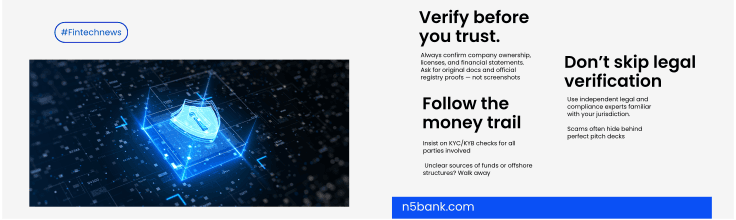
The European Union's Markets in Crypto-Assets (MiCA) regulation represents a watershed moment for the cryptocurrency industry. As the world's first comprehensive crypto regulatory framework, MiCA establishes clear rules for digital asset businesses operating within the EU's 27 member states. Understanding the MiCA crypto license requirements is now essential for any company seeking to offer crypto services to European customers.
Key Takeaways
MiCA (Markets in Crypto-Assets Regulation) is the EU's comprehensive regulatory framework that requires crypto service providers to obtain licenses for operating legally across member states.
The MiCA crypto license applies to various crypto businesses including exchanges, wallet providers, and token issuers, with specific requirements based on service type.
Obtaining a MiCA license involves meeting strict capital, governance, and compliance standards while demonstrating robust risk management and consumer protection measures.
License holders must maintain ongoing compliance including regular reporting, audits, and timely MiCA license renewal to continue operations.
The licensing process typically takes 6-12 months and requires significant investment in legal, compliance, and operational infrastructure.
What Is the MiCA Crypto License?
The MiCA crypto license is an official authorization granted by national competent authorities in EU member states that permits companies to provide crypto-asset services legally. Implemented in phases starting from June 2023, with full enforcement by December 2024, MiCA creates a unified regulatory approach across Europe.
The regulation distinguishes between different types of crypto-assets and services. Asset-referenced tokens (stablecoins backed by multiple assets) and e-money tokens (stablecoins pegged to a single fiat currency) face the strictest requirements. Meanwhile, utility tokens and other crypto-assets fall under separate provisions with varying compliance obligations.
MiCA licensing establishes a "passport" system similar to traditional financial services. Once a company obtains a license in one EU member state, it can operate across all member states without needing separate authorizations in each jurisdiction. This harmonization eliminates the previous patchwork of national regulations that created compliance challenges for crypto businesses.
Who Needs a MiCA License?
Several categories of crypto service providers must obtain MiCA licensing to operate legally in the European Union:
Crypto-asset service providers (CASPs) offering custody, exchange, trading platforms, portfolio management, or investment advice related to crypto-assets
Issuers of asset-referenced tokens who create stablecoins backed by a reserve of multiple assets or currencies
Issuers of e-money tokens providing stablecoins pegged to a single fiat currency like the euro or dollar
Operators of trading platforms facilitating the buying and selling of crypto-assets between users
Companies already operating under existing national crypto licenses must transition to the MiCA framework. The regulation provides transitional periods allowing businesses with pre-existing authorizations to continue operations while applying for full MiCA compliance. However, these grace periods are limited, making prompt action essential.
Notably, certain activities fall outside MiCA's scope. Decentralized finance (DeFi) protocols without identifiable operators, non-fungible tokens (NFTs) representing unique digital art or collectibles, and central bank digital currencies (CBDCs) are currently excluded from MiCA licensing requirements.
Core Requirements for MiCA License Approval
Obtaining a MiCA crypto license demands meeting rigorous standards across multiple dimensions. National regulators assess applications based on comprehensive criteria designed to protect consumers and maintain market integrity.
Capital and Financial Requirements
Applicants must demonstrate adequate financial resources proportional to their business model and risk profile. Minimum capital requirements vary by service type, with custody providers and exchanges typically facing higher thresholds. Companies must maintain ongoing capital adequacy throughout their operations, not just at the licensing stage.
Governance and Management Standards
MiCA mandates robust corporate governance structures with clearly defined roles and responsibilities. Management teams must possess appropriate qualifications, experience, and good repute. At least two individuals must effectively direct the business, and the company must maintain its registered office in the licensing jurisdiction.
Operational and Technical Safeguards
License applicants must implement comprehensive operational procedures covering cybersecurity, business continuity, and disaster recovery. Technical systems must ensure secure custody of client assets, with strict segregation between company and customer funds. Regular security audits and penetration testing demonstrate ongoing system integrity.
Compliance and Risk Management
Companies need established compliance functions with dedicated personnel responsible for anti-money laundering (AML), counter-terrorist financing (CTF), and sanctions screening. Risk management frameworks must identify, measure, and mitigate operational, financial, and reputational risks. Detailed policies covering conflicts of interest, complaints handling, and market abuse prevention are mandatory.
The MiCA License Application Process
The path to obtaining a MiCA license follows a structured timeline requiring careful preparation and substantial documentation.
Preparation Phase (2-4 months)
Before submitting an application, companies should conduct gap analyses comparing current operations against MiCA requirements. This phase involves developing necessary policies, procedures, and technical infrastructure. Engaging legal and compliance advisors with MiCA expertise significantly improves application quality and approval chances.
Application Submission
Applications are submitted to the national competent authority in the chosen EU member state. Required documentation typically includes business plans, financial projections, organizational charts, policy manuals, technical architecture descriptions, and background information on key personnel. The completeness and quality of initial submissions directly impact processing timelines.
Regulatory Review (4-8 months)
Regulators conduct thorough assessments of submitted materials, often requesting additional information or clarifications. This interactive process may involve multiple rounds of questions and answers. Authorities may conduct on-site inspections to verify operational readiness and assess management capabilities firsthand.
Approval and Ongoing Obligations
Upon approval, companies receive their MiCA license and can begin passporting services across the EU. However, licensing is not a one-time event. License holders face continuous obligations including regular reporting, annual audits, notification of material changes, and timely MiCA license renewal when required.
Costs and Timeline Considerations
Obtaining a MiCA crypto license represents a significant investment. Application fees vary by jurisdiction but typically range from €5,000 to €25,000. However, these direct costs pale compared to the broader expenses of building compliant infrastructure, hiring qualified personnel, and engaging professional advisors. Total costs often exceed €200,000 for comprehensive licensing projects.
Timeline expectations should be realistic. From initial preparation through final approval, the process typically spans 6-12 months. Complex business models, novel services, or incomplete applications can extend timelines significantly. Companies should plan accordingly and avoid assuming operations can commence quickly.
Maintaining Your MiCA License
Securing a MiCA license is just the beginning. Ongoing compliance requires sustained effort and resources. License holders must submit regular reports to regulators, maintain minimum capital levels, and notify authorities of significant operational changes. MiCA license renewal processes, while less intensive than initial applications, still demand documentation demonstrating continued compliance.
Failure to maintain standards can result in enforcement actions ranging from warnings and fines to license suspension or revocation. The reputational damage from regulatory sanctions can prove devastating in the competitive crypto industry.
Disclaimer
This article provides general information about MiCA crypto licensing and should not be construed as legal, financial, or regulatory advice. MiCA requirements are complex and vary based on specific business models and jurisdictions. Companies considering crypto operations in the EU should consult qualified legal and compliance professionals familiar with MiCA regulations to assess their specific obligations and develop appropriate compliance strategies.
Comments
Frequently Asked Questions
Clear, concise info to help you understand the process!